St. Patrick's Day 2026: A Global Celebration of Irish Heritage and Culture
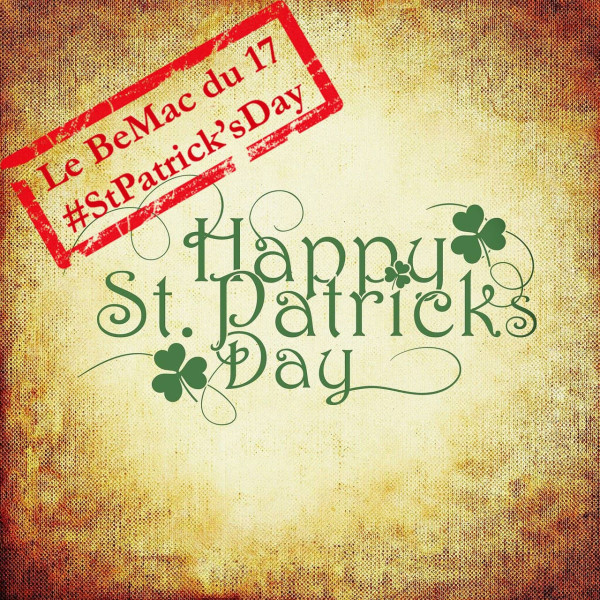
Today, March 17, 2026, marks a day of revelry and pride, as communities worldwide celebrate St. Patrick's Day. This annual holiday, deeply entwined with the rich tapestry of Irish heritage, offers a unique blend of religious traditions, cultural festivities, and a global showcase of Irish identity. From its religious roots to its modern-day secular celebrations, the story of St. Patrick's Day is a vibrant narrative of faith, folklore, and festivity.
The Historical Significance of St. Patrick's Day: From Religious Observance to Global Celebration
The origin of St. Patrick's Day is deeply rooted in the traditions of the Irish faith. Celebrated on March 17, the day commemorates the death of Saint Patrick, the patron saint of Ireland. Saint Patrick, who lived between the late 4th and early 5th centuries, is credited with bringing Christianity to Ireland and is revered for his missionary work and the establishment of churches and monasteries. The earliest recorded celebrations of St. Patrick's Day date back to the 9th and 10th centuries, when the day was marked with religious services and feasts in Ireland. Over time, the holiday evolved beyond its religious origins, transforming into a global celebration of Irish culture.
In Ireland, St. Patrick's Day is a day of reflection and prayer, with church services and solemn observances. However, in other parts of the world, the holiday has taken on a more secular and festive tone. The Irish diaspora, particularly in countries like the United States, Canada, and Australia, has played a significant role in shaping the modern celebration of St. Patrick's Day. These communities have transformed the day into a vibrant expression of Irish heritage, characterized by parades, music, Irish dancing, and the ubiquitous wearing of green.
The Global Celebration of St. Patrick's Day: Traditions and Customs
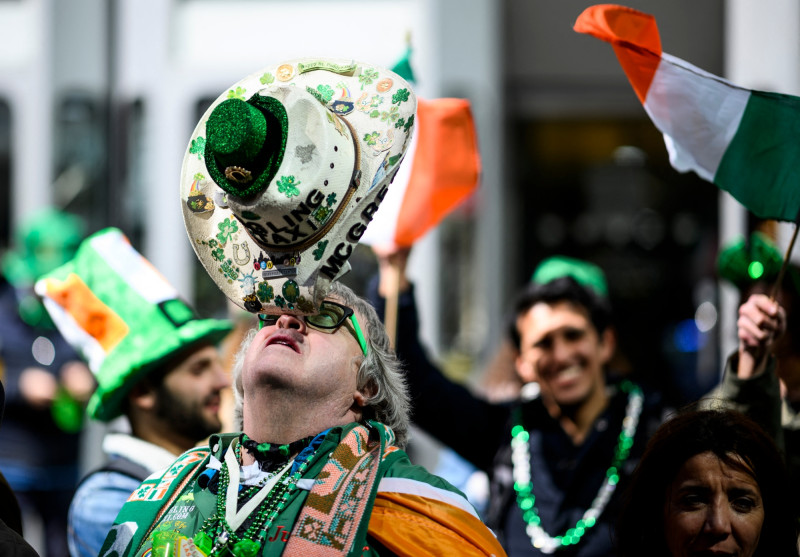
The global celebration of St. Patrick's Day is a testament to the enduring influence of Irish culture around the world. The traditions and customs associated with the holiday are as diverse as they are vibrant, reflecting the unique ways in which different communities honor their Irish heritage. In the United States, for example, St. Patrick's Day parades are a hallmark of the celebration, with cities like New York and Boston hosting some of the largest and most elaborate events. These parades are characterized by colorful floats, traditional Irish music, and a sea of green-clad revelers, creating an atmosphere of joy and camaraderie.
In Ireland, the day is marked with a blend of religious and cultural festivities. Parades, music, Irish dancing, and traditional Irish food are central to the celebrations, creating a festive atmosphere that showcases the rich cultural heritage of the island. The day is also marked by a public holiday, allowing people to gather with friends and family, enjoy traditional Irish food and drink, and participate in various community events.
The global impact of St. Patrick's Day is further enhanced by the popularity of Irish music and dance, which have become integral parts of the celebrations. Irish music, with its distinctive melodies and rhythms, has a universal appeal, and many communities around the world host live performances and concerts to celebrate the holiday. Similarly, Irish dance, characterized by its energetic and intricate footwork, is a highlight of many St. Patrick's Day events, showcasing the vibrancy and skill of Irish dancers.
The Cultural Impact of St. Patrick's Day: A Day of Unity and Pride
“St. Patrick's Day is a day of unity and pride. Communities around the world come together to celebrate the rich heritage of Ireland. Whether through parades, music, or Irish dancing, the holiday provides a unique opportunity to honor our past and embrace our future with joy and camaraderie.”
The celebration of St. Patrick's Day transcends its Irish origins, serving as a global symbol of unity and pride. For the Irish diaspora, the holiday is a proud reminder of their heritage, providing an opportunity to celebrate their cultural and historical roots. For others, it is a celebration of the enduring influence of Irish culture, which has left an indelible mark on societies around the world. In this way, St. Patrick's Day serves as a universal celebration of diversity, unity, and cultural heritage, bringing people together in a spirit of joy and camaraderie.
The enduring popularity of St. Patrick's Day is a testament to the timeless appeal of Irish culture, which continues to inspire and enchant people around the world. From its humble religious origins to its vibrant global celebrations, the holiday has evolved into a rich tapestry of traditions and customs, reflecting the diverse ways in which people honor their Irish heritage. As we celebrate St. Patrick's Day 2026, let us embrace the spirit of unity and pride that defines this unique and culturally significant holiday.
Cet article vous inspire…
 À suivre · Culture & peopleLa célébration de la Saint Patrick en Irlande en 2026 : une tradition millénaire et festive