Emmanuel Macron Announces Construction of New French Aircraft Carrier
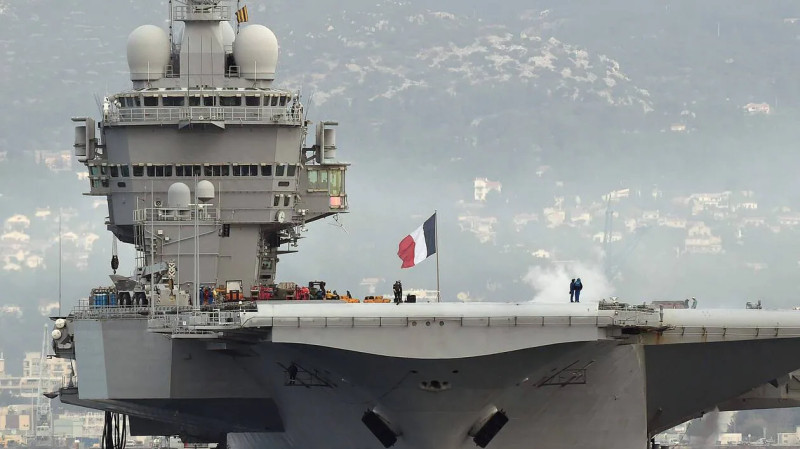
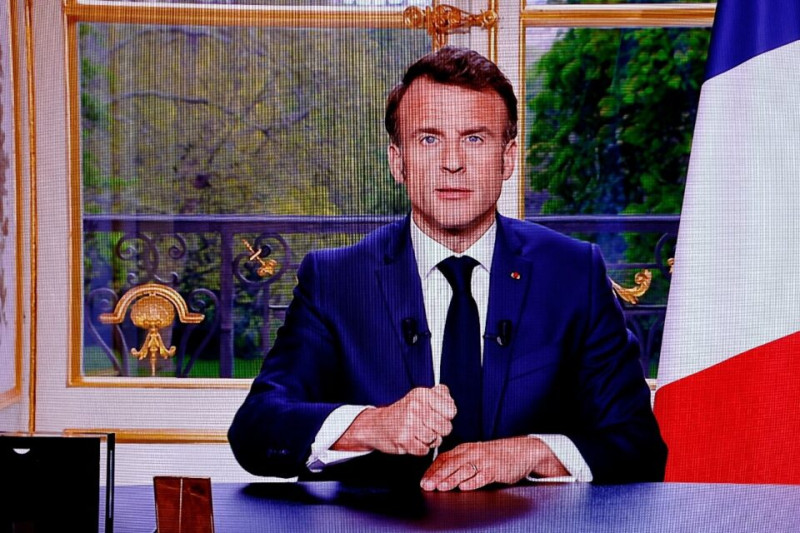
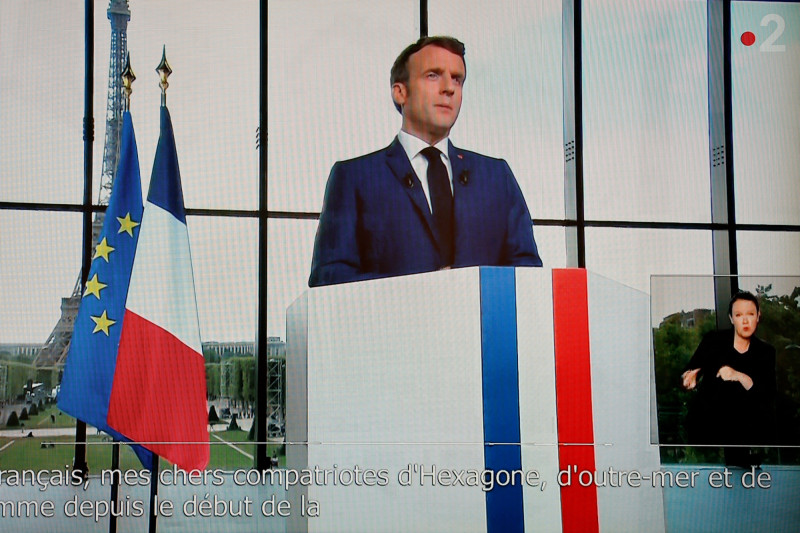
In a significant move to bolster France's maritime capabilities, President Emmanuel Macron has announced the construction of a new aircraft carrier, marking a pivotal moment in the nation's defense strategy. This porte-avions (aircraft carrier) is set to replace the aging Charles de Gaulle, which has been a cornerstone of France's naval power since 2001. The new vessel, part of the "Porte-Avions Nouvelle Génération" (PANG) program, is anticipated to cost around 10.25 billion euros ($12 billion).
The decision to build a new carrier underscores France's commitment to maintaining its status as a key global maritime power. The Charles de Gaulle, France's sole nuclear-powered aircraft carrier, has served the country for over two decades. However, with the aging vessel nearing the end of its operational lifespan, the need for a modern replacement has become increasingly urgent. The new carrier, which will be larger and more advanced, will significantly enhance France's military and strategic capabilities. This move aligns with the country's Military Programming Law (LPM 2024-2030), aimed at bolstering its defense infrastructure and preparedness.
Macron made the announcement during a visit to the United Arab Emirates, where he emphasized the strategic importance of this new carrier. The vessel is expected to have a capacity for 30 fighter jets and 2,000 sailors, reflecting a substantial increase in France's maritime capabilities. This new porte-avions will not only replace the Charles de Gaulle but also serve as a critical component in France's efforts to tackle maritime threats and project power globally. The construction is expected to commence soon, with the goal of having the new carrier operational by 2038, when the Charles de Gaulle is slated to retire.
The announcement comes at a time when France is facing various geopolitical challenges. With increasing tensions and the need to respond to global threats, this new carrier will provide France with a more robust and versatile naval force. The new carrier program, known as "Porte-Avions Nouvelle Génération" (PANG), represents a significant investment in France's defense capabilities. It will be equipped with state-of-the-art technology and designed to operate in a variety of maritime environments, ensuring France's readiness to respond to any potential threats. The new porte-avions will bolster France's ability to project power, conduct humanitarian missions, and support international peacekeeping efforts, reinforcing its position as a leading maritime power.
As France moves forward with the construction of this new aircraft carrier, it is clear that the country is committed to maintaining its military and strategic capabilities in the face of a rapidly changing global landscape. This significant investment in defense reflects France's dedication to ensuring its security and sovereignity, as well as its role as a key player on the international stage. With the new carrier set to join the fleet, France will be well-equipped to face the challenges of the 21st century, ensuring its continued relevance and influence in global affairs.
Cet article vous inspire…
 À suivre · PolitiqueFlorence Rey : Que devient-elle en 2025 ?