Tensions Escalating: The Latest on the Iran-U.S. Conflict and the Path to Peace
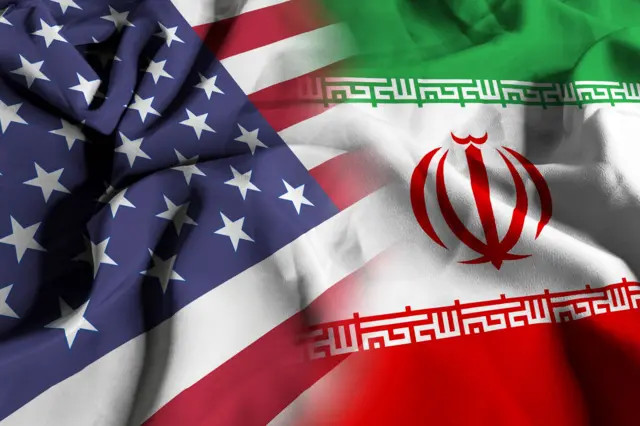
The guerre Iran États-Unis is at a critical juncture, with both nations on the brink of a historic agreement. The U.S. and Iran are reportedly close to finalizing a one-page memorandum aimed at ending the prolonged conflict. This potential breakthrough comes after months of intense negotiations and escalating tensions that have gripped the region.
A Historic Turning Point: The One-Page Memorandum
According to a report from Axios, the U.S. and Iran are on the verge of signing a pivotal one-page memorandum. This document is designed to outline the framework for negotiations, focusing on key issues such as the end of hostilities and the Iranian nuclear program. The potential agreement signals a significant shift in the ongoing guerre Iran États-Unis.
The proposed memorandum is the culmination of extensive diplomatic efforts, with both sides expressing optimism about the potential for a resolution. This optimism is underscored by the fact that the two nations have never been closer to concluding a peace deal since the start of the conflict.
The memorandum is expected to address immediate concerns, such as the reopening of the Strait of Hormuz and lifting the naval blockade imposed by the U.S. These steps are crucial for ensuring the free flow of trade and reducing immediate tensions. However, the more complex issue of Iran's nuclear program remains a central focus of the negotiations.
The U.S. has indicated that it is prepared to release billions of dollars in frozen Iranian funds as part of the agreement. This move is seen as a significant concession aimed at fostering goodwill and encouraging Iran to adhere to the terms of the potential peace deal.
The Two-Phase Plan: A Strategic Approach to Peace
The negotiations are being approached in two distinct phases, with the immediate focus on de-escalating the current conflict and addressing the nuclear issue later. The first phase involves the Iranians agreeing to a moratorium on enriching uranium, a crucial step in building trust and reducing immediate security concerns.
In the second phase, the negotiations will delve deeper into the complexities of Iran's nuclear program, aiming to establish a long-term framework that addresses both nations' concerns. This phased approach is seen as a strategic move to ensure that the peace process is sustainable and that both sides can meet their respective goals.
The U.S. has also indicated that it is prepared to lift sanctions on Iran, which have been a major point of contention in the conflict. This move is seen as a crucial step in fostering a more cooperative relationship and encouraging Iran to comply with international nuclear agreements.
The Road Ahead: Challenges and Opportunities
Despite the optimism, significant challenges remain. The U.S. and Iran have a long history of mistrust, and the path to a lasting peace is fraught with difficulties. Both nations must navigate complex domestic politics, with hardliners on both sides potentially opposing any concessions.
One of the critical questions is whether the proposed agreement will be able to address the deep-seated grievances of both nations. The Iranians have long felt that the U.S. has imposed unfair sanctions and interference in their affairs, while the U.S. has expressed concerns about Iran's nuclear ambitions and regional influence.
The success of the peace process will depend on the ability of both nations to work together and find common ground. The memorandum represents a significant first step, but the real test will come in the implementation of the agreement and the ongoing negotiations.
« Le chemin vers la paix est semé d'embûches, mais la détermination des deux nations à trouver une solution est un signe encourageant. Si les négociations réussissent, cela pourrait marquer le début d'une nouvelle ère de coopération et de stabilité dans la région. » - Expert en affaires internationales.
Cet article vous inspire…
 À suivre · MondeWillian Pacho : Le roc équatorien qui a fait trembler le Bayern Munich