Tensions Escalate: Trump's Iran Strategy Under Scrutiny on Day 33 of Middle East Conflict
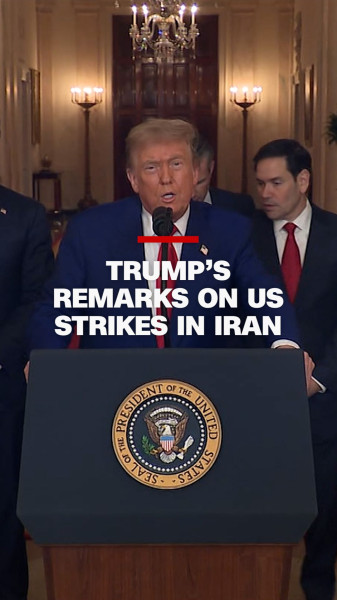
A tense atmosphere hangs over Washington as the Middle East conflict enters its 33rd day. The White House has been abuzz with activity, with President Donald Trump's recent address to the nation sparking a flurry of reactions. In a speech laden with familiar talking points, Trump assured Americans that the conflict with Iran is "nearing completion," while hinting at the potential for further escalation, saying the US may blow up and completely obliterate Iran's electric plants and oil wells if a deal to end the war is not reached.
Public Opinion Turns as Support for Trump's Iran War Wanes
With the US-Israeli air campaign against Iran dragging on, public sentiment appears to be shifting. A recent poll by CNN and SSRS reveals that just one-third of Americans support the president's handling of the conflict, with two-thirds disapproving of the military intervention. The prolonged conflict, which has disrupted the global economy and sent fuel prices soaring, has left many Americans questioning the US leader's strategy.
Trump's approval ratings have also taken a hit in light of the conflict. Despite his claims of a 100% approval rating from a CNN poll, the reality is far more nuanced. While his base of supporters remains steadfast, the broader American public is increasingly skeptical of his leadership in this conflict.
Diplomatic Maneuvering and Threats: Trump's Mixed Messages
Trump's approach to the Iran conflict has been marked by a series of threats and claims of progress, leaving many analysts and diplomats scratching their heads. In a recent press conference, Trump threatened to hit vital infrastructure in Iran if the Strait of Hormuz was not reopened, suggesting that "regime change" had already been achieved.
These statements, however, are at odds with Iran's official stance. Iran has warned against a potential US ground invasion and has signaled skepticism of Washington's position. This diplomatic impasse, coupled with Trump's mixed messages, has put the White House's strategy under intense scrutiny.
In response to these developments, the US has continued its military operations, with a recent drone attack on a Kuwaiti oil tanker raising concerns about potential oil spills in the region. This incident, which occurred on Day 31 of the conflict, has further escalated tensions and highlighted the delicate balance between military action and diplomatic efforts.
When asked about the potential for a diplomatic resolution, a senior White House official, who wished to remain anonymous, said, « Trump is walking a fine line. He's trying to project strength while leaving room for negotiation. But it's a delicate balance, and one wrong move could tip us over the edge. »
« In politics, you don't have friends, only allies. And sometimes, even allies can become enemies. » – Anonymous US diplomat
On the 33rd day of the Middle East conflict, the situation remains as volatile as ever. Trump's Iran strategy, marked by a mix of threats and diplomatic overtures, continues to dominate the headlines. As the world watches and waits, the question remains: Will the US and Iran find a path to peace, or will the conflict continue to escalate? This current situation leaves the world in a state of uncertainty about the future of the Middle East and the broader geopolitical landscape, with the specter of the Cold War looming large in the background.
Cet article vous inspire…
 À suivre · PolitiqueVers une nouvelle ère Trump-Macron: les enjeux stratégiques