Trump's Strategic Moves on Cuba in 2026: A New Era of Pressure and Potential Change
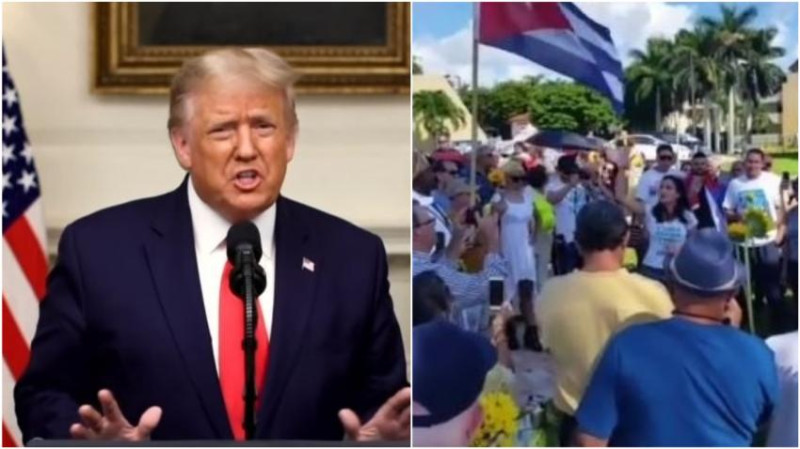
As of 2026, Donald Trump continues to exert significant pressure on Cuba, intensifying a decades-long campaign aimed at destabilizing the communist regime. This renewed focus comes at a critical juncture for the island nation, which has been grappling with severe economic and political crises, exacerbated by the U.S. administration's tough stance. The current strategy, which combines economic sanctions, diplomatic pressure, and covert operations, aims to drive Cuba to a point of collapse and pave the way for a potential regime change.
Trump’s approach to Cuba is marked by a series of escalating measures, beginning with the cessation of economic aid and the imposition of stringent trade sanctions. These actions have left Cuba vulnerable, with the country's already fragile infrastructure and economy under immense strain. In recent statements, Trump has warned that Cuba is “at the end of the line” and experiencing its “last moments of life,” a dramatic assertion that reflects the administration’s belief in the imminent collapse of the Cuban government.
Central to Trump's strategy is the coercion of Cuba through the cutoff of oil and financial support from Venezuela, a move that has left the island nation severely depleted of resources. This pressure has been further amplified by the U.S. government’s preparation to charge Cuban leaders with various offenses, setting the stage for a more direct confrontation. The administration’s goal is clear: to push Cuba to the brink, where it will be forced to negotiate a more favorable deal with the United States, potentially leading to a “friendly takeover” of the island.
The Trump administration’s tactics in Cuba are reminiscent of the strategies employed during the Cold War, but with a modern twist. By leveraging economic sanctions and diplomatic isolation, the U.S. aims to isolate Cuba both politically and economically, making it difficult for the regime to sustain itself. This strategy has been bolstered by ongoing military operations in the region, which serve to keep Cuba on edge and open to the possibility of further intervention.
Cuba’s response to this pressure has been one of defiance, with the regime attempting to maintain a semblance of normalcy despite the mounting challenges. However, the internal strife and economic hardships have taken a toll, with many Cubans expressing their frustration and disillusionment with the current leadership. The U.S. administration’s actions have also sparked a wave of international criticism, with some allies questioning the ethical and legal implications of such aggressive tactics. Despite these concerns, the Trump administration remains steadfast in its pursuit of regime change, viewing it as a necessary step to promote democracy and economic stability in the region.
The current situation in Cuba is a delicate balance of tension and potential transformation. While the U.S. pressures the island nation to the brink, the outcome remains uncertain. The success of Trump’s strategy will depend on the resilience of the Cuban regime and its ability to adapt to the mounting pressure. Only time will tell if Cuba will succumb to the U.S. administration’s demands or find a way to withstand the storm and emerge stronger on the other side. One thing is clear: the future of Cuba hangs in the balance, and the world watches closely as the drama unfolds.
Cet article vous inspire…
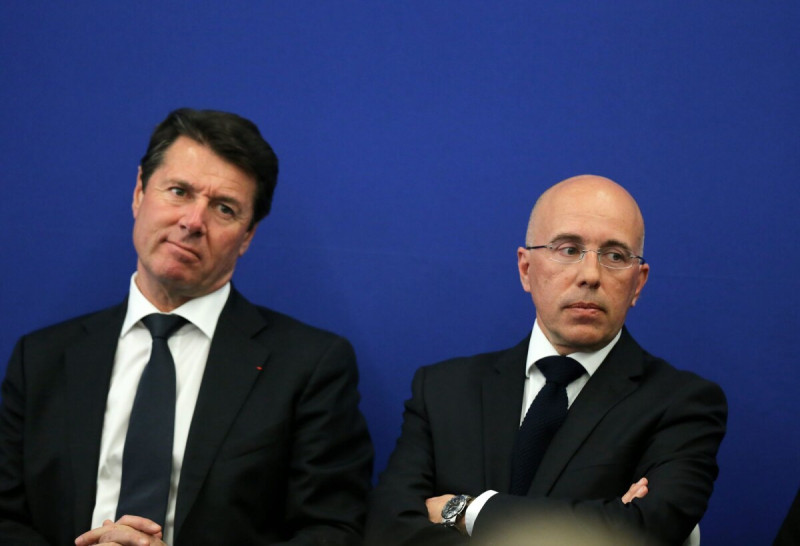 À suivre · PolitiqueLes élections municipales à Nice : Christian Estrosi face à une forte concurrence