The Trump-Greenland Saga: Geopolitical Chess and Economic Impact
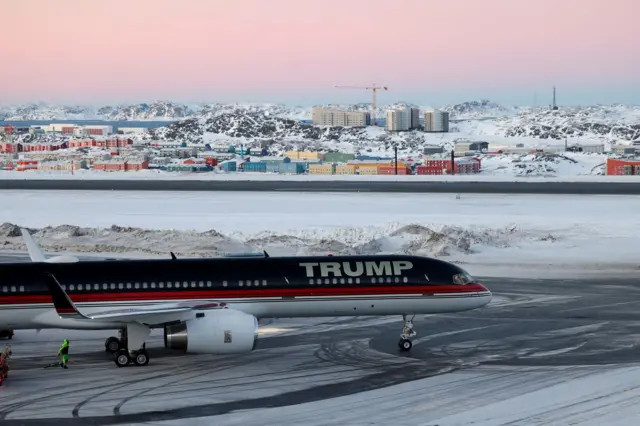
In the ever-shifting landscape of global politics, the specter of **Donald Trump's** interest in **Greenland** has resurfaced, sparking renewed debate about the strategic and economic implications for both the United States and Europe. Trump’s repeated demands to control the vast Arctic territory have not only strained diplomatic relations but also raised significant questions about the future of NATO and the broader geopolitical landscape.
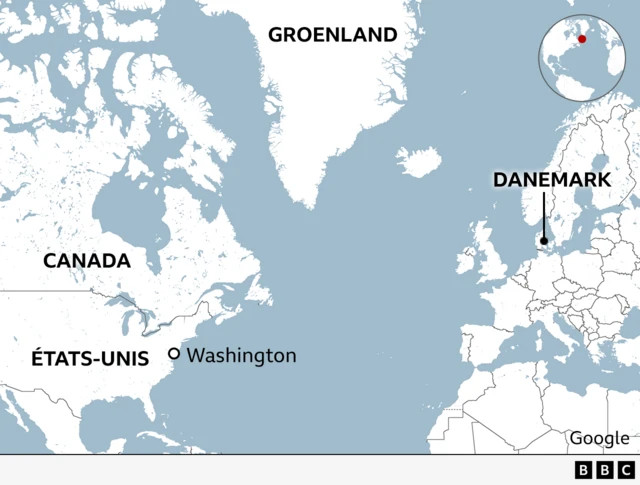
Trump’s fixation on Greenland began in earnest in 2019, when he publicly expressed his desire to annex the territory. This move, driven by the potential for resource extraction and strategic military advantages, has been met with both skepticism and alarm. The **Denmark** government—Greenland's sovereign ruler—has firmly rejected Trump's proposals, insisting on maintaining sovereignty and territorial integrity. The situation has led to a diplomatic standoff, with European leaders expressing deep concern over the potential destabilization of the region.
Trump’s interest in Greenland is rooted in its rich natural resources, particularly **rare minerals and hydrocarbons**, which could significantly bolster the U.S. economy. Additionally, Greenland's strategic position offers a crucial vantage point for military operations and surveillance in the Arctic. This strategic importance is further amplified by the presence of a U.S. military base in Thule, which has long been a key asset for American defense capabilities.
The economic implications of Trump’s potential takeover of Greenland are complex and far-reaching. The CAC 40, a benchmark French stock market index, has been closely watching the developments, as any geopolitical shifts in the Arctic could impact European markets. **Sébastien Lecornu**, the French Minister of State for Europe and Foreign Affairs, has been vocal about the potential economic fallout, emphasizing the need for stability and cooperation in the region. His efforts to safeguard the 2026 budget in France are indicative of the broader European concern over the geopolitical implications of Trump’s actions.
Stéphane Séjourné, a prominent French politician, has also weighed in on the issue, warning that any unilateral move by the U.S. to annex Greenland could have severe repercussions for both European and global economies. The potential for increased military tensions and the disruption of trade routes could lead to significant economic uncertainty, affecting markets worldwide.
Despite the mounting opposition, Trump’s determination to pursue this ambition has led to the introduction of a Republican bill authorizing the annexation of Greenland. This bill, if passed, would grant Trump the power to "take such steps as may be necessary" to achieve this goal, further escalating the diplomatic and military tensions in the region.
In conclusion, the Trump-Greenland saga highlights the intricate interplay of geopolitical strategy and economic interests in the modern world. While Trump’s ambitions may be driven by the lure of resources and strategic advantages, the potential fallout for global stability and economic markets is immense. As we move forward, the world will be closely watching how this complex issue unfolds, with far-reaching implications for both the Arctic region and the broader global landscape.
Cet article vous inspire…
 À suivre · PolitiqueBernard-Henri Lévy et les enjeux géopolitiques du Groenland