Mohammed VI: 27 Years of Reign and Football Renaissance
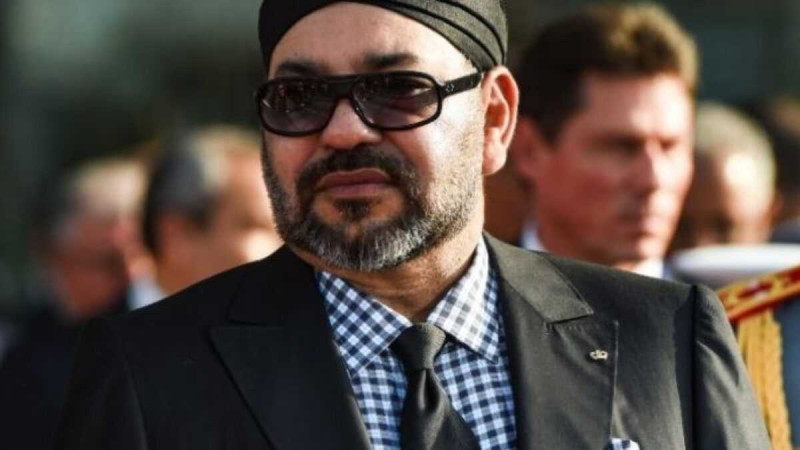
King Mohammed VI of Morocco, also known by his full name Mohammed VI, has been a pivotal figure in the country's political and cultural landscape since his accession to the throne in 1999. Born on August 21, 1963, in Rabat, Mohammed VI has led Morocco through significant reforms and initiatives, earning a reputation as a reformer and a leader committed to modernization and progress.
King Mohammed VI is a member of the Alawi dynasty, which has ruled Morocco since the mid-seventeenth century. He succeeded his father, King Hassan II, who reigned from 1961 until his death in 1999. Mohammed VI's early public engagements on behalf of his father laid the groundwork for his future leadership role. His educational journey began at the Royal Palace College, where he completed his primary and secondary schooling. He later attended Mohammed V University in Rabat, earning a bachelor's degree in law in 1985 and a master's degree in public law in 1988.
One of the most notable aspects of King Mohammed VI's reign has been his commitment to reform. Upon ascending the throne, he immediately faced a political maelstrom, including controversies over government proposals to afford women broader access to public life, including greater access to education and more thorough representation within the government and civil service. His efforts to modernize Morocco have included the implementation of a new constitution in 2011, which aimed to strengthen democratic institutions and enhance human rights.
Despite these reforms, King Mohammed VI has also faced criticisms and challenges. Questions about his health and the complexities of his relationship to power have been subjects of debate, particularly in light of the twenty-six years since his 1999 coronation. However, his legacy as a reformer remains a significant part of his reign, marked by his efforts to navigate the country through political and social changes.
In addition to his political and social reforms, King Mohammed VI has made a significant impact on the cultural landscape of Morocco, particularly in the realm of football. His deep passion for the sport has led to the development of the Mohammed VI Football Academy, which has become a cornerstone of Morocco's soft power and international engagement. The Academy has played a crucial role in shaping the future of Moroccan football, with many of its players representing the country in international competitions. The strong presence of players trained at the Academy within Morocco's U20 national team, including their finalist and semifinalist performance in the Africa Cup of Nations and the U20 World Cup, respectively, highlights the Academy's enduring influence.
As Morocco continues to evolve under the leadership of King Mohammed VI, his legacy as a reformer and a visionary leader remains a central theme in the country's ongoing development. His commitment to modernization, education, and cultural initiatives, including football, underscores his vision for a progressive and globally engaged Morocco.
Cet article vous inspire…
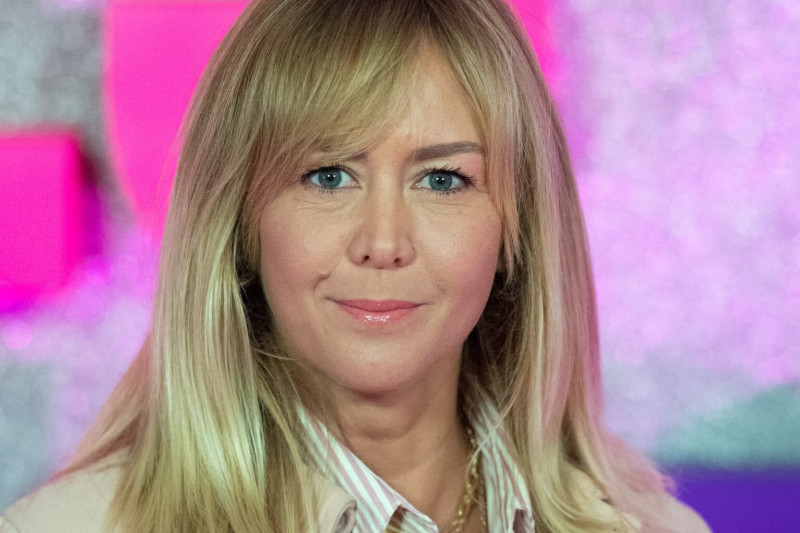 À suivre · Culture & peopleEnora Malagré: Une Vie et une Carrière Riches en Rebondissements