Trump's Legacy and the Iranian Conundrum: A Deep Dive into the Complexities
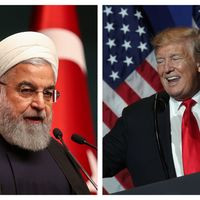
As of January 14, 2026, the geopolitical landscape between the United States and Iran remains as complex and fraught with tension as ever. Under the Trump administration, the relationship between these two nations took a dramatic turn with significant military strikes and political maneuvers. This article delves into the Trump Iran conflict, examining the underlying causes, key events, and the lasting impact on global politics.
Donald Trump's presidency was marked by a series of bold and controversial decisions, particularly in his approach towards Iran. The decision to launch military strikes against Iran was met with a mix of praise and criticism, both domestically and internationally. The strikes, which targeted key Iranian sites, were seen by some Republicans as a decisive move to curb Iran's nuclear ambitions and regional influence, while many Democrats argued that such actions should have been approved by Congress.
Trump's strategy towards Iran was not merely military; it also included a significant diplomatic component. The administration's decision to reimpose sanctions on Iran, following the withdrawal from the Joint Comprehensive Plan of Action (JCPOA), was aimed at pressuring the Iranian regime economically. This move was part of a broader effort to topple the regime, a goal that some analysts believe could be achieved if acted upon swiftly and decisively. The U.S. administration's approach involved a combination of military readiness and diplomatic overtures, with President Trump repeatedly expressing his willingness to engage in peace talks while maintaining a strong military stance.
The Trump Iran conflict reached a critical juncture when Israel launched overnight attacks on Iran. This significant escalation forced Trump to navigate a complex foreign policy crisis, balancing the need for decisive action with the diplomatic fallout. The strikes on Iran, aided by political and military ruses, marked a turning point in Trump's foreign policy legacy. The administration's actions have been described as incoherent, reflecting a shift from the traditional approach to Middle Eastern politics.
Beyond the immediate military and diplomatic implications, the Trump Iran conflict has had a profound impact on the broader geopolitical landscape. The strikes have reshaped perceptions of Trump's presidency and his approach to foreign policy, casting a long shadow over his legacy. The conflict has also highlighted the delicate balance between military intervention and diplomatic engagement, raising questions about the future of U.S. foreign policy in the region.
The geopolitical complexities surrounding Trump Iran are far from over. As the world continues to grapple with the fallout from these events, the legacy of Trump's actions will be scrutinized for years to come. The intricacies of the conflict, from the military strikes to the diplomatic maneuvers, offer valuable insights into the evolving dynamics of global politics and the enduring challenges of international relations. Babsous and Mariam Pirzadeh are both names that are likely to become increasingly relevant in the future of these discussions.
Cet article vous inspire…
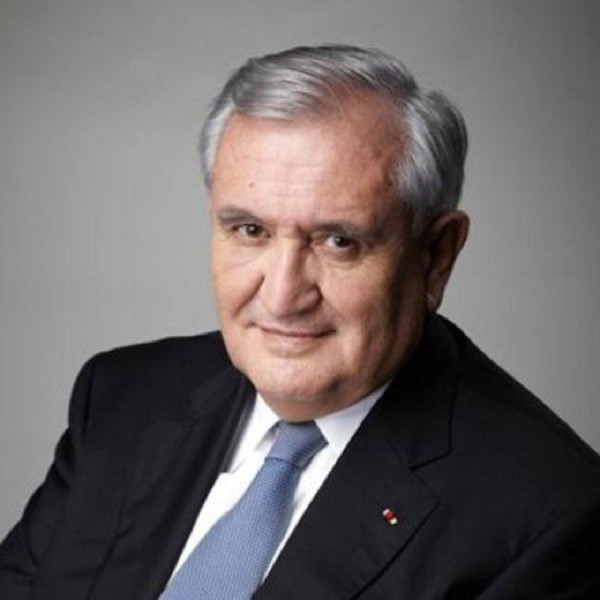 À suivre · PolitiqueLa carrière politique de Jean-Pierre Raffarin