Egypt vs. Ivory Coast: A Thrilling Quarterfinal Epic in the Africa Cup of Nations
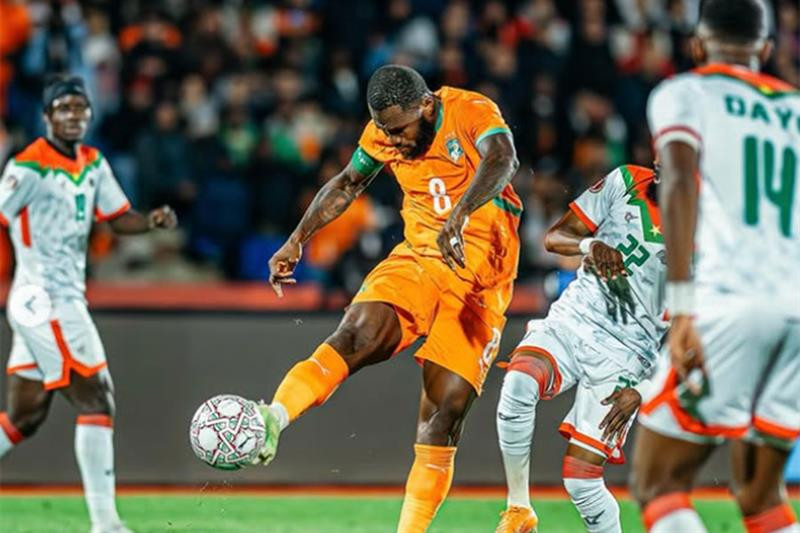
On January 10, 2026, the Stade d'Agadir in Morocco hosted an electrifying quarterfinal match between Egypt and Ivory Coast in the Africa Cup of Nations. This was more than just a football game; it was a clash of titans, a battle between two of Africa's most storied teams. As the Pharaohs of Egypt looked to extend their legacy, the Elephants of Ivory Coast aimed to defend their reign as champions.
From the opening whistle, the tension was palpable. The Ivory Coast, known for their resilient defense and tactical prowess, took the field with a strategic lineup aimed at neutralizing the Egyptian attack. Egypt, however, had a secret weapon: Mohamed Salah, the world-renowned forward whose presence alone commands respect and attention on the pitch. Ivory Coast's coach, Franck Kessié, highlighted the tactical necessity of facing Egypt, noting that Egypt's historical advantage and strategic play have always made them a formidable opponent.
In the 70th minute, Ivory Coast made a critical substitution, replacing Franck Kessié, who had been instrumental in their midfield, with a fresh player. This strategic move was a nod to Egypt's relentless pressure and the need for fresh legs to maintain composure and push for a late equalizer.
Egypt took an early lead when Omar Marmoush curved the ball into the net, catching the Ivory Coast defense off guard. Ramy Rabia soon followed, heading home from a perfectly delivered corner by Salah, doubling Egypt’s lead and sending the stadium into a frenzy. Despite the setbacks, Ivory Coast remained unyielding, and Odilon Kossounou's header hit the post, keeping the game's suspense alive.
As the match neared its conclusion, the Ivory Coast fought valiantly to turn the tide. Their efforts were rewarded with a late goal, bringing the score to 2-1 in favor of Egypt. However, this was not the end of the drama. Egypt, refusing to be denied, secured another goal, giving them a 3-2 victory that sent the Pharaohs into the semi-finals, leaving Ivory Coast stunned and heartbroken.
The game was a testament to the intensity and unpredictability of the Africa Cup of Nations, showcasing the best of African football. The quarterfinal was not just a victory for Egypt; it was a testament to their resilience and tactical acumen. For Ivory Coast, despite the loss, the performance was a reminder of their strength and resilience, qualities that have defined their journey as champions and will continue to drive their future endeavors.
Cet article vous inspire…
 À suivre · SportSpurs de San Antonio et Celtics – Un duel de titans dans la NBA