Nigeria vs Tanzania: A Comparative Analysis of Two Economic Powerhouses in Africa
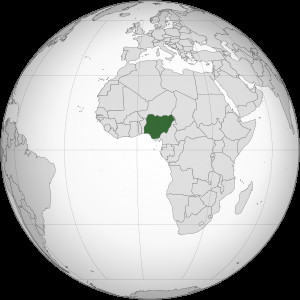
The rivalry between Nigeria and Tanzania, two of Africa's economic giants, has always been a subject of interest. Both countries have unique strengths and challenges that make their comparison fascinating. In this article, we delve into the economic, political, and cultural landscapes of Nigeria and Tanzania, providing a comprehensive analysis of their strengths and weaknesses. As the world eyes these nations for their future potential, it is crucial to understand the underlying dynamics that drive their development and progress.
Nigeria stands as a pillar of economic might in Africa, with its vast oil reserves and a thriving entrepreneurial spirit. The country's economy is primarily driven by the oil sector, which accounts for a significant portion of its GDP. Nigeria's strategic location and rich natural resources have made it a key player in the global energy market. Despite challenges such as corruption and political instability, Nigeria has shown remarkable resilience in maintaining its economic prowess.
On the other hand, Tanzania offers a different narrative. Known for its rich cultural heritage and natural beauty, Tanzania has been attracting tourists from around the world. The country's diverse ecosystems, including the Serengeti National Park and Mount Kilimanjaro, are major tourist attractions. Tanzania's economy is bolstered by sectors such as agriculture, tourism, and mining, showcasing a well-diversified economic portfolio. The country's stable political environment has also contributed to its economic growth, positioning it as a reliable investment destination.
The economic strengths of both Nigeria and Tanzania are clear, but they also face significant challenges. Nigeria's over-reliance on oil has made its economy vulnerable to global oil price fluctuations. This reliance has also led to underdevelopment in other critical sectors, such as agriculture and manufacturing, which could provide more stable economic growth. In contrast, Tanzania's lack of infrastructure poses a substantial obstacle to its economic development. While the country has made strides in improving its infrastructure, the road to achieving robust economic growth remains long and winding.
Beyond the economic landscape, the political and social dynamics of these nations are equally intriguing. Akor Adams and Eric Chelle are two influential figures in Nigeria, known for their contributions to the nation's development. Akor Adams, a prominent businessman, has played a pivotal role in fostering economic growth and innovation. His leadership has inspired numerous entrepreneurs, driving Nigeria's entrepreneurial spirit to new heights. Similarly, Eric Chelle, a renowned economist, has been instrumental in shaping the country's economic policies, providing valuable insights into sustainable development.
The political landscape of Nigeria is characterized by its dynamic nature, with frequent shifts in leadership and policy. The country's political instability, often marked by corruption and power struggles, has hindered its economic development. However, the resilience of its people and their entrepreneurial spirit have enabled Nigeria to navigate through these challenges, maintaining its position as a leading economic powerhouse in Africa.
Tanzania's political stability, on the other hand, has been a cornerstone of its economic success. The country's leadership has prioritized infrastructure development and social welfare, creating a conducive environment for investment and growth. Tanzania's commitment to stability and sustainability has positioned it as a model for other African nations, showcasing the importance of political stability in economic development.
In conclusion, the comparison between Nigeria and Tanzania reveals two distinct paths to economic growth. Nigeria's reliance on oil has made it a key player in the global energy market, while Tanzania's diversified economy and political stability have paved the way for sustainable development. As these nations continue to evolve, their unique strengths and challenges will shape Africa's economic landscape, providing valuable insights into the future of the continent. The contributions of figures like Akor Adams and Eric Chelle further enrich this narrative, highlighting the importance of leadership and innovation in driving economic progress.
Cet article vous inspire…
 À suivre · ÉconomieAtlantique : l'histoire du Groupe Atlantic et de son centre de Bercy