Michel Barnier: Reforming Pensions and Navigating Budget Challenges in 2025
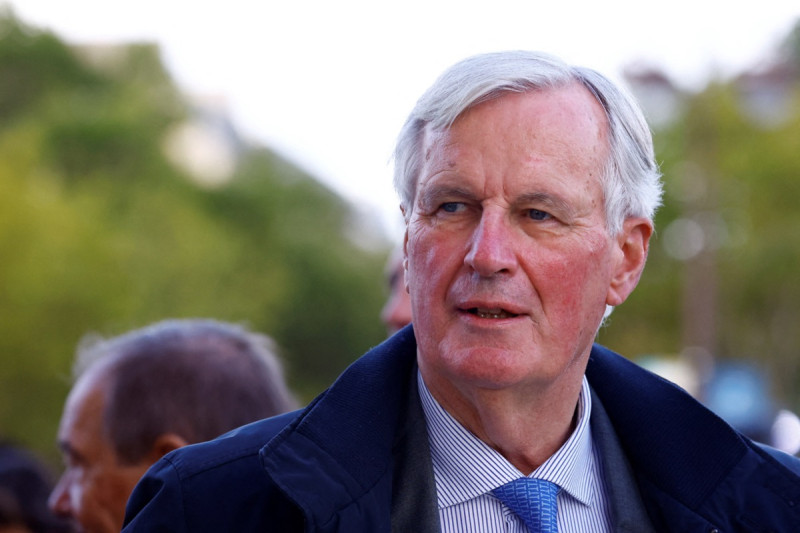
In the complex landscape of French politics, Prime Minister Michel Barnier finds himself at the center of contentious debates over pension reforms and budget constraints. As of 2025, Barnier's government is grappling with significant challenges, including proposals to trim pensions and navigate a divided parliament.
In a recent move, Barnier floated a modest cut to pensions by proposing a six-month delay to an annual inflation adjustment. This adjustment, if implemented, would save approximately €3.6 billion on the €380 billion spent on benefits for retirees. The proposal, which includes postponing an increase in pensions to reflect inflation from January to mid-2025, has sparked intense political debates and potential savings of up to 4 billion euros.
The political tensions surrounding these proposals are palpable. Edouard Philippe's Horizons party has voiced opposition to the 2026 Social Security budget as it stands, adding to the complexity of the legislative process. Sébastien Lecornu, a key figure in the government, emphasizes the national responsibility of the budget amid a fractured parliamentary debate. The Senate's removal of key government concessions has further fueled right-wing backlash, with Michel Barnier himself criticizing the budget for its lack of spending control. Barnier's stance reflects a broader frustration among lawmakers and policymakers who see the need for more stringent budgetary measures.
Despite these challenges, lawmakers in the lower house of the French parliament managed to approve the taxation part of the 2026 social security budget on Friday. This vote is a significant step forward, but debates on the rest of the highly-contested budget are far from over. The approval comes amidst a backdrop of persistent threats to the government's survival, with President Emmanuel Macron facing a hung parliament following last year's snap election. The political landscape remains fraught with uncertainty, as lawmakers continue to grapple with the intricacies of the budget and pension reforms.
In a move that underscores the political maneuvering required to pass the budget, the French parliament voted to suspend an unpopular pension reform on Wednesday. This vote, which saw 255 lawmakers in favor and 146 against, is a testament to the ongoing struggles within the parliament. Barnier, who lacks a majority in the Assemblée Nationale, activated Article 49.3 of the Constitution to push through the controversial social security budget bill. This move led to the filing of two motions of no confidence by radical lawmakers, highlighting the deep divisions within the political spectrum.
Looking ahead, Barnier's government faces a challenging path as it seeks to balance budgetary constraints with the need for pension reform. The political risks are high, but the potential savings and the necessity of controlling public spending make these reforms a critical priority. As the debates continue, the future of France's pension system and social security budget hangs in the balance, with Barnier at the helm navigating these turbulent waters.
In his first interview since his appointment as Prime Minister, Barnier announced his desire to improve pension reform and promised 'concrete measures' to control migratory flows while announcing his desire for improving pension reform. This reform is aimed at addressing the pressing financial concerns while ensuring the stability of the French social security system.
As the budget debates continue, the fate of Barnier's government and the broader pension reform remains uncertain. The political landscape is fraught with challenges, but the determination to achieve a balanced budget and sustainable pension system is clear. The suspension of the unpopular pension reform and the ongoing debates reflect the complexity of the issues at hand, but Barnier's government is committed to finding a path forward.
Cet article vous inspire…
 À suivre · PolitiqueJean-Philippe Tanguy, un homme clé du Rassemblement National