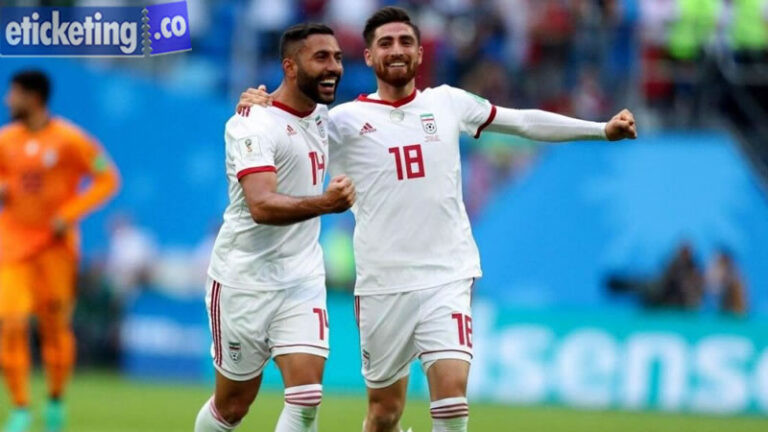
Imagine a chessboard where every move is calculated with precision, every pawn and rook playing their part to a standstill. This was the Belgium vs. Iran match, a World Cup 2026 encounter where tenacity and tactical nous ruled over a relentless drive for goals. Los Angeles’s SoFi Stadium was the grand stage for a duel that left both teams with a scoreboard that read 0-0, an outcome with a myriad of layers and implications.
Key Moments: The Theatre of Drama Unfolds
The match was a rollercoaster of emotions, starting with Iran's Alireza Beiranvand making a litany of remarkable saves, securing his place as a defensive wall. Belgium, despite their powerful line-up, including Kevin De Bruyne, found their efforts consistently thwarted by Beiranvand’s heroics. Beiranvand's saves, particularly the one from Maxim De Cuyper, were the defining moments that sustained Iran’s resolute defense.
In the 68th minute, the game took a dramatic turn when Nathan Ngoy was shown a red card, leaving Belgium to play the remaining minutes with ten men. This pivotal moment heightened the tension and gave Iran a glimmer of hope to capitalize on the numerical advantage. However, Belgium's determination and tactical adjustments managed to neutralize any potential Iranian counterattack.
The Star Performances
One of the standout performances was undoubtedly that of Iran’s Mehdi Taremi, whose contributions were nothing short of spectacular. Taremi’s presence and skill were a constant threat to Belgium’s defense, even if his efforts didn’t translate into a goal. Ironically, his goal was disallowed for offside, a decision that sparked debate but ultimately upheld the fairness of the game. The Iranian forward showcased his prowess, reminding everyone of his formidable potential.
“Alireza Beiranvand’s performance was a masterclass in goalkeeping, a testament to Iran’s resilience and tactical brilliance.” — FIFA Expert Commentary
On the other hand, Kevin De Bruyne for Belgium, despite his absence from goal-scoring, was a metronomic force in midfield. His vision and passing accuracy were instrumental in setting up the Red Devils’ attacks, even when the goalposts were frustratingly out of reach. Belgium’s frustration was palpable, but their relentless pressure was an example of their indomitable spirit.
Tactical Chess and the Outcome
The tactical chess played by both teams was a sight to behold. Belgium’s coach skillfully adjusted their strategy after Ngoy’s red card, ensuring that the remaining players’ roles were elevated to compensate for the numerical disadvantage. Iran’s defensive solidity, bolstered by Beiranvand’s extraordinary saves, proved to be an impenetrable fortress, a defensive masterclass that earned them a valuable point.
The match was a microcosm of the 2026 World Cup’s emerging themes of resilience, strategic adaptability, and the unpredictable nature of the game. While Belgium’s attack lacked the killer punch, Iran’s tenacity and defensive acumen showcased a new dimension of footballing prowess. Both teams, despite their contrasting styles, left the field with heads held high, knowing they had given their all to a match that will be remembered for its drama and tactical brilliance.
The stage is now set for Belgium in their next showdown, where the narrative of perseverance, tactical shifts, and the search for elusive goals will continue. The upcoming Iranian match, scheduled in the near future, will be a defining moment not only for the team but also for the tournament itself.