The Complex Chessboard of Middle Eastern Tensions: An In-depth Report on the U.S.-Iran Conflict
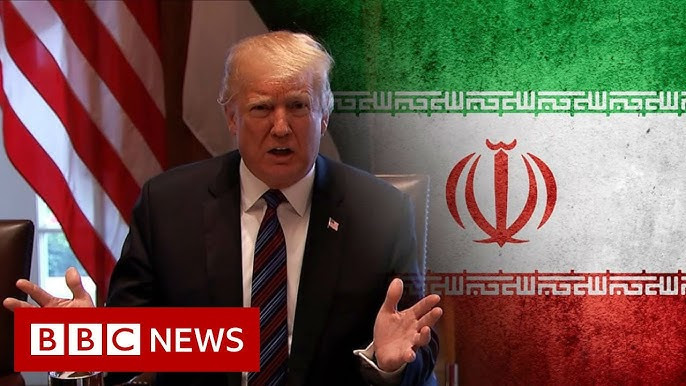
Today, April 8, 2026, the embers of the U.S.-Iran conflict still smolder under the tense atmosphere of the Middle East. The U.S. and Israel's recent military operations against Iran marked a significant escalation, with the U.S. President Donald Trump announcing "major combat operations" on Febraury 28, 2026.
Diplomatic Manoeuvres and Military Moves in the Middle East
In the past few months, the geopolitical landscape of the Middle East has been a whirlwind of diplomatic maneuvering and military brinkmanship. The U.S. and Israel have launched coordinated attacks on Iran, in an operation that marks the most consequential military operation in the Middle East in over two decades. The conflict, dubbed "Epic Fury" by the Pentagon, has been fueled by decades of animosity and geopolitical tensions, with Iran's nuclear program and regional influence often cited as primary concerns.
In a dramatic turn of events, the U.S. and Iran agreed to a two-week ceasefire earlier this week, launching a diplomatic push aimed at stabilizing the region and reopening key shipping lanes. The fragile truce, which came into effect last Tuesday, has brought a temporary pause to the conflict but has also raised questions about the long-term stability of the region.
The Ceasefire Deal: A Fragile Resolution
The provisional truce comes more than a month after the initial U.S.-Israeli attacks, setting the stage for potential talks and negotiations between the two nations. The ceasefire, which was brokered under intense diplomatic pressure, has been welcomed by many international observers as a step towards de-escalation. However, the Strait of Hormuz, a critical global shipping lane, remains a contentious issue with both sides eager to reopen it to international traffic.
The U.S. has claimed a "total and complete victory" after agreeing to the ceasefire, with President Donald Trump touting the deal as a strategic win for the U.S. and its allies in the region. Iran, on the other hand, has also claimed victory, with state media highlighting the resilience of Iranian forces and the failure of the U.S.-Israeli strikes to achieve their objectives.
The Road Ahead: Uncertainty and Tensions
The road ahead remains fraught with uncertainty. While the ceasefire has brought a temporary reprieve, the underlying tensions and geopolitical issues that sparked the conflict remain unresolved. — The U.S. and Iran continue to be at odds over a range of issues, from Iran's nuclear program to its regional influence and the viability of future talks —
The U.S. has indicated that it will be monitoring the situation closely and maintaining a military presence in the region to ensure compliance with the ceasefire agreement. Iran, meanwhile, has vowed to defend its interests and sovereignty, with some hardline factions within the Iranian government pushing for a more aggressive stance against the U.S. and its allies.
— The diplomatic push over the next two weeks will be crucial, as both sides seek to navigate the treacherous waters of Middle Eastern politics and avoid a return to hostilities. —
The U.S. and Iran will be watching closely, as the fragile ceasefire holds, and the fate of the region hangs in the balance.
Cet article vous inspire…
 À suivre · PolitiqueGuerre Iran États-Unis : Un Conflit au Moyen-Orient à la Croisée des Chemins