Itamar Ben-Gvir: Unraveling the Misinformation
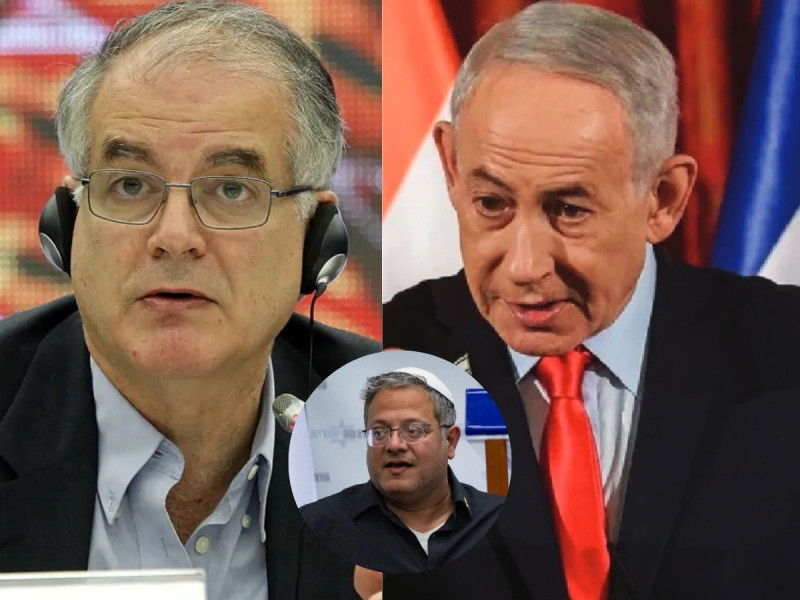
The rapid dissemination of unverified information on social media continues to pose significant challenges, particularly in the context of geopolitical conflicts. In recent days, a wave of misinformation has circulated, suggesting that Itamar Ben-Gvir, Israel's National Security Minister, was injured in an Iranian air strike in Tel Aviv. Concurrently, rumors have spread that Iddo Netanyahu, the brother of Israeli Prime Minister Benjamin Netanyahu, was killed in the same incident. These claims have added layers of complexity to an already tense situation, underscoring the need for rigorous fact-checking and credible sources of information.
False rumors have claimed that Ben-Gvir and Iddo Netanyahu have been targeted and injured or killed, respectively, in an Iranian air strike. These claims have been widely circulated on social media, leading to increased scrutiny and concern. However, upon closer examination, it is evident that these rumors are highly questionable and lack credible evidence. The narrative suggests that such misinformation is a tactic used to exacerbate tensions and spread fear. In reality, the specifics surrounding the alleged incident are murky, and credible sources have not corroborated the details.
Rather than focusing on the unverified claims, it is crucial to address the broader implications of this misinformation. The spread of false narratives often stems from a mix of genuine confusion, deliberate disinformation campaigns, or exaggerated reports. This has been evident in other conflicts, where misinformation can quickly gain traction and mislead the public. It is essential to rely on official statements and credible news sources to separate fact from fiction. The Israeli government and international organizations have not confirmed the reported air strike on Ben-Gvir's or Netanyahu's residences, further indicating that the claims may be unfounded.
Moreover, the rumors surrounding the air strike on Netanyahu's residence and the alleged death of his brother Iddo Netanyahu highlight the broader issue of information warfare in modern geopolitics. False claims about high-profile figures can have far-reaching consequences, influencing public opinion, destabilizing governments, and exacerbating conflict. It is crucial for individuals and media outlets to exercise caution and verify information before sharing. This incident underscores the importance of media literacy and the need for rigorous fact-checking in an era where misinformation can spread rapidly.
Cet article vous inspire…
 À suivre · PolitiqueLa Royal Navy face à la guerre en Iran : un défi stratégique et logistique