Saif al-Islam Gaddafi: The end of a controversial legacy
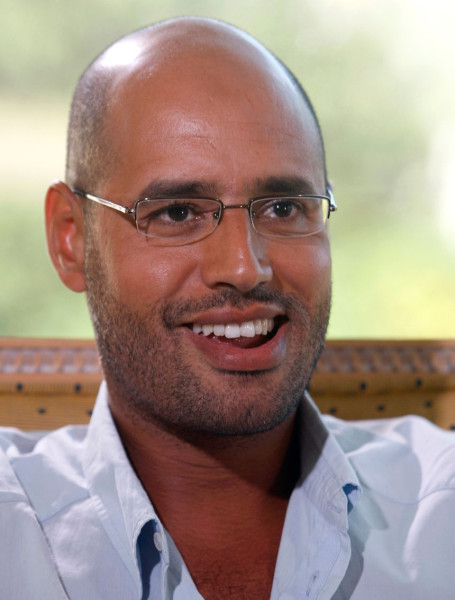
A Saif al-Islam Gaddafi, second son of the late Libyan leader Muammar Gaddafi, has met a tragic end. The controversial political figure, known for his influence and feared presence in Libya, was killed on February 3, 2026, in the city of Zintan, northwestern Libya.
Saif al-Islam, born on June 25, 1972, was a prominent figure in his father's regime, serving as a key public relations and diplomatic figure. His influence extended beyond his father's rule, and he was widely regarded as the most powerful and feared figure in the country following Muammar Gaddafi's ousting and death in 2011.
Saif al-Islam's life was marked by dramatic turns. After his father's death, he was captured and held in captivity for a decade in the remote hill town of Zintan. Despite his incarceration, he managed to launch a presidential bid, which significantly impacted the political landscape of Libya.
His assassination, reportedly carried out by masked men at his home, has sparked uncertainty and concern in the divided North African nation. The circumstances surrounding his death remain shrouded in mystery, with various reports citing different details. Some sources indicate that he was killed by an armed gang, while others suggest a targeted assassination.
Saif al-Islam's legacy is one of controversy and complexity. His influence during his father's rule was marked by his role in crushing dissent and maintaining the regime's grip on power. However, his later years saw a shift towards political activism and a bid for presidential power, which, while ultimately unsuccessful, demonstrated his enduring ambitions.
As Libya grapples with the aftermath of his death, questions linger about the future of the country and the impact of Saif al-Islam's assassination on its fragile political stability. The assassination of Seif al-Islam Kadhafi, the son of the late ruler Muammar Gaddafi, has left the North African nation in a state of uncertainty
The death of Saif al-Islam Gaddafi marks the end of an era for Libya, a country still struggling to find its footing in the wake of decades of dictatorship and turmoil. His legacy will undoubtedly continue to shape the political discourse and the future trajectory of the nation.
Cet article vous inspire…
 À suivre · PolitiqueCondamnation de Marine Le Pen : Un Coup Dur pour la Présidente du Rassemblement National