ChatGPT Down: The Latest on the Major Outage
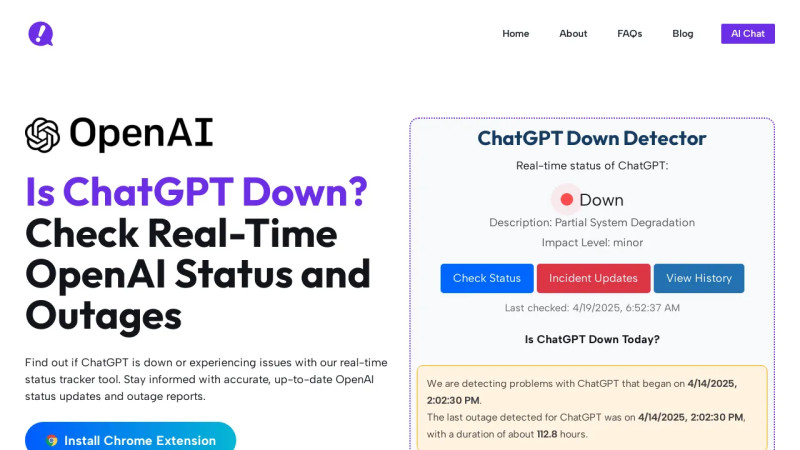
On February 3, 2026, users worldwide experienced a significant disruption as ChatGPT, the popular AI-driven chatbot, went down, causing widespread inconvenience and speculation. The outage, which affected thousands of users, was confirmed by several sources, including Downdetector and various social media platforms. This incident underscores the growing dependence on AI tools and the impact of such disruptions on daily activities.
The outage was first detected on Thursday, January 29, 2026, and lasted for approximately 31 minutes, as reported by several monitoring websites. Downdetector, a popular platform for tracking outages, showed a surge in reports, with over 12,000 incidents reported by users as of 03:45 pm ET. The issues impacted various functionalities, including logins, voice mode, and response generation, causing significant frustration among users.
OpenAI, the company behind ChatGPT, acknowledged the outage and confirmed that a fix was in progress. The company stated that the issue was a major one, affecting multiple components of its system. This outage is not an isolated incident; previous disruptions have also occurred, highlighting the challenges in maintaining the reliability of such complex systems. Users took to social media platforms like Twitter and Reddit to share their experiences and vent their frustrations, using the hashtag #ChatGPTDown to track the outage in real-time.
As of the latest updates, the issue seems to have been resolved, and the system is back online, albeit with some lingering issues. The outage has sparked discussions about the reliability of AI-driven tools and the need for better redundancy and failover mechanisms to minimize such disruptions in the future. While OpenAI continues to work on enhancing the robustness of its systems, users are urged to stay informed through official announcements and monitoring platforms.
In conclusion, the ChatGPT down incident on February 3, 2026, serves as a reminder of the critical role that AI tools play in modern life and the importance of ensuring their reliability. As OpenAI and other providers continue to innovate, addressing outages and improving system uptime will be crucial for maintaining user trust and satisfaction.
Cet article vous inspire…
 À suivre · TechLes Jeux PS Plus de Février 2026 : Une Sélection Excitante pour les Abonnés PlayStation Plus